Driving Change in Food Waste Reduction

Spoon partner HBK builds new connections in Berlin

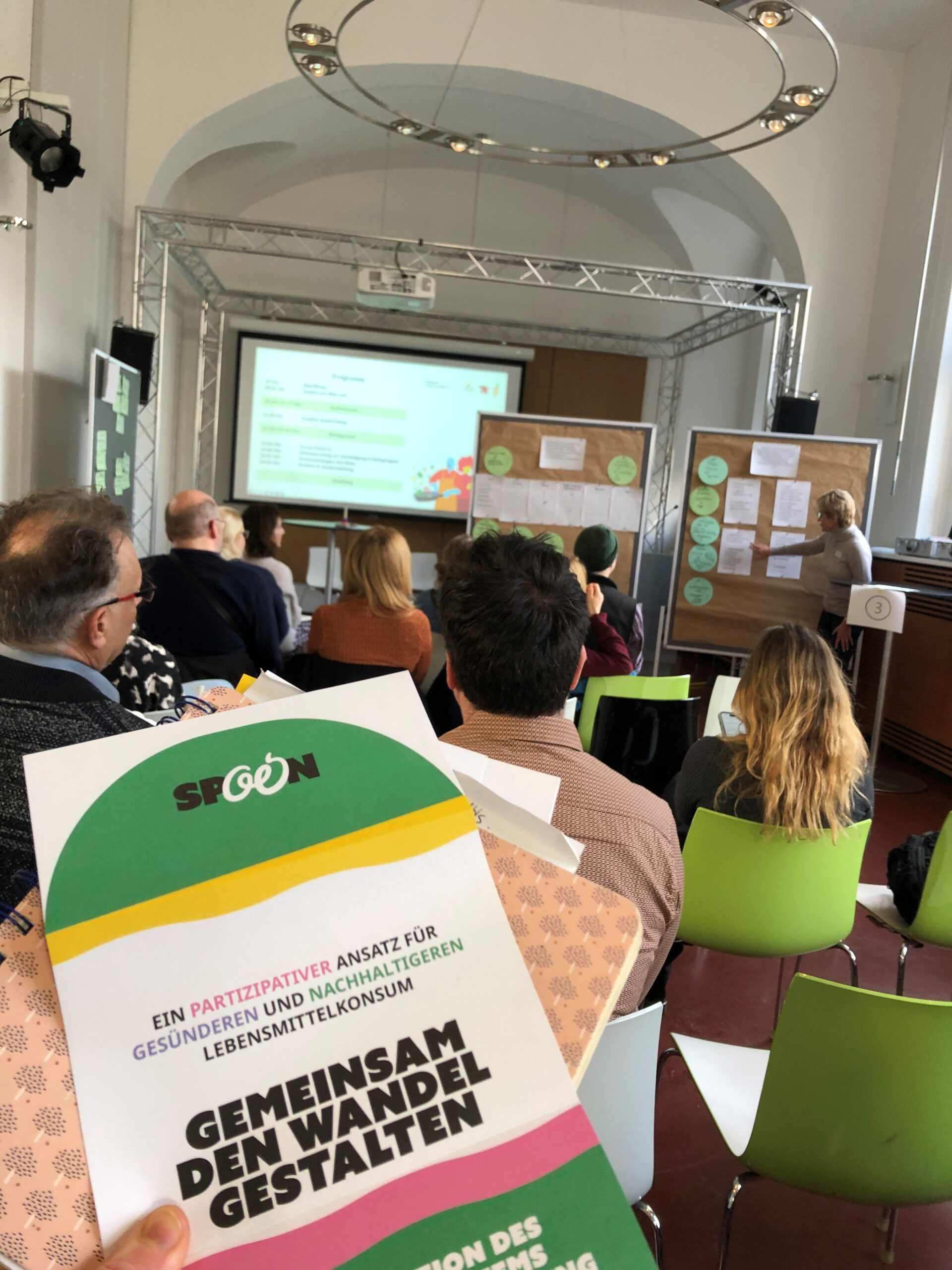
On 26 February, our partner, the University of Arts Braunschweig – Institute for Design Studies (HBK), participated in a network meeting organised by “Dialogforum Private Haushalte 2.0”, focused on reducing food waste in private households. The initiative brought together activists, researchers, consumer protection agencies, and representatives from local and regional authorities to strengthen cross-sector collaboration.

During the programme, HBK took part in a series of speed-networking sessions to present SPOON and highlight Braunschweig’s role as a Citizen Science Lab. The discussions focused on practical strategies to engage households in food waste reduction.

The interactive format enabled direct dialogue with all different groups of participants, generating strong interest in our work and opening new opportunities for collaboration as we advance our mission to transform food systems.

Workshop: Hoe plan jij je maaltijden en boodschappen?

Hoe beslis jij wat er ’s avonds op tafel komt? Maak je een weekmenu? Ga je spontaan naar de winkel?

KORF | Naaldenstraat 4, 8000 | Brugge Belgie

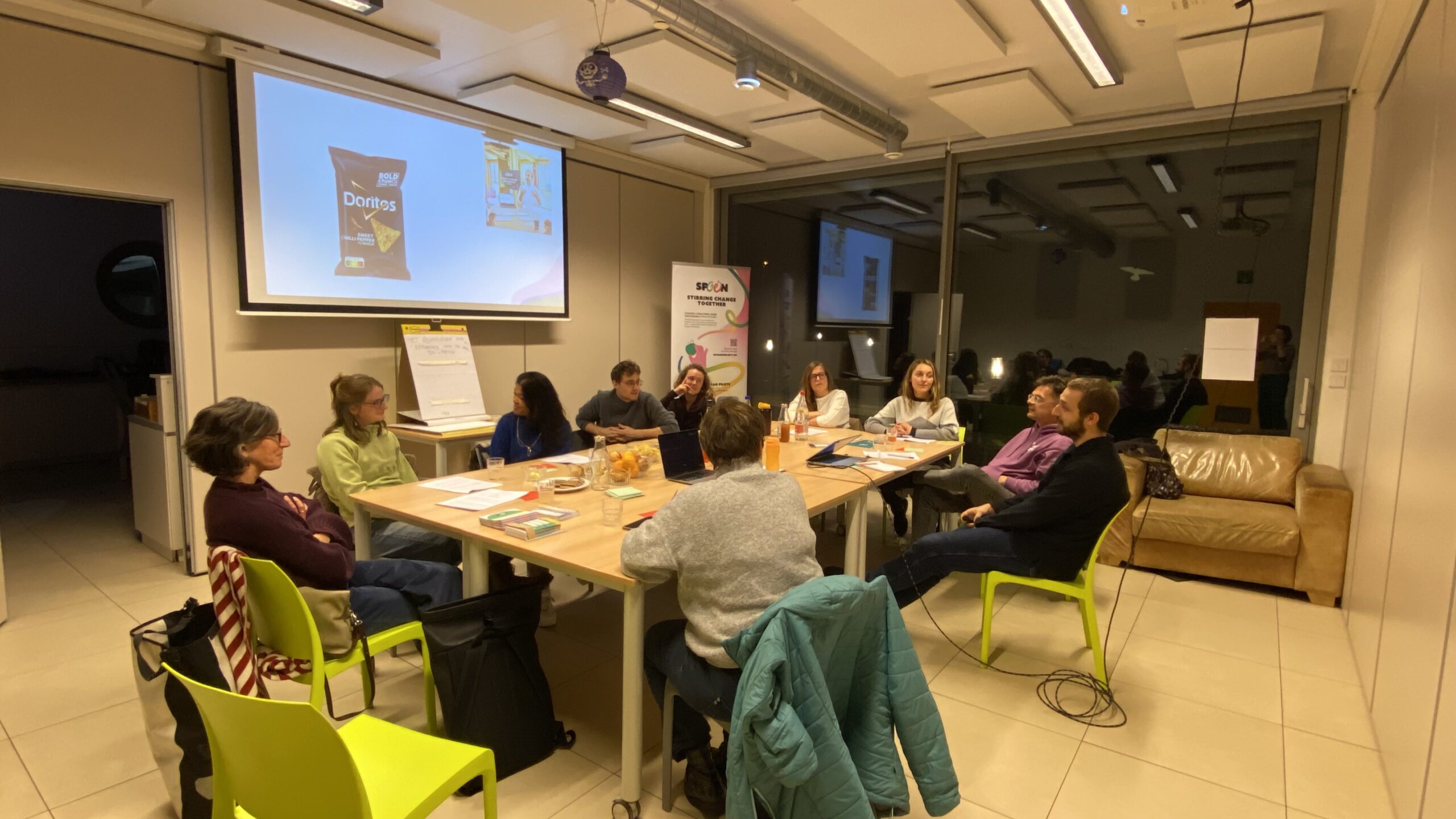
Op maandag 23 maart om 19.30 u organiseren we een interactieve workshop in KORF (Naaldenstraat 4, 8000 Brugge) rond het thema ‘maaltijden plannen en boodschappen doen’.

Tijdens deze workshop:

  • brengen we aan de hand van een vragenlijst in kaart hoe mensen hun maaltijden plannen en boodschappen doen
  • gaan we in kleine groepjes in gesprek over gewoontes, uitdagingen en slimme trucs
  • verzamelen we jouw feedback om de vragenlijst te verbeteren zodat die écht aansluit bij het dagelijkse leven van Bruggelingen


We verwachten vooral jouw input – geen voorkennis nodig, enkel jouw ervaring en ideeën.

Schrijf je hier in en denk mee!

Securing Trust in Citizen Food Data Management

SPOON’s new Data Governance Framework turns EU principles into a secure, scalable practice.

As Europe works to transform its food system in the face of climate change, biodiversity loss, and shifting consumption patterns, one thing is clear: data must be trusted before it can drive change.

The SPOON project has released the first version of its Data Governance Framework, developed by our partner EV ILVO to ensure that citizen-generated food data is managed in a secure, ethical, and interoperable way. Fully aligned with GDPR and the European Data Strategy, the framework turns regulatory principles into practical tools that empower citizens to stay in control of their personal data.

At the core of the framework are specific guiding principles, including user control, transparency, ethical handling, and scalability. These are translated into five operational building blocks covering strategy, data policy, ontology, security and access control, and privacy. Crucially, the framework is not only conceptual but directly operationalised through the SPOON digital toolset, a collective platform designed to understand how people plan, buy, prepare, cook, and dispose of food, using a bottom-up approach.

The framework makes sure that the digital toolset supports user control, secure consent management, promote high data quality, and interoperability across research and innovation contexts. Ultimately, the framework enables SPOON to build trust with citizens, empower them to stay in control of their data, and deliver high-quality, reusable datasets. The SPOON digital platform and its Data Governance Framework is tested across six European pilot regions, laying the groundwork for alignment with emerging European Data Spaces, supporting long-term sustainability and responsible reuse of citizen-generated food data.

Full publication is now available here.


Photo credits: Headway on Unsplash