¿Cómo planificamos nuestras compras? ¿Qué hacemos con los alimentos que sobran? ¿Qué nos ayuda o dificulta adoptar hábitos más sostenibles? Estas preguntas han reunido a vecinos y vecinas de València en el marco del proyecto europeo SPOON, una iniciativa que impulsa la ciencia ciudadana para construir sistemas alimentarios más saludables, responsables y conectados con el territorio.
València cuenta con un patrimonio alimentario excepcional, marcado por la Huerta, la Albufera, el Mediterráneo y una reconocida tradición gastronómica. Al mismo tiempo, afronta desafíos relacionados con los hábitos de consumo, el desperdicio alimentario y la necesidad de avanzar hacia modelos de alimentación más sostenibles. Para abordarlos, SPOON ha puesto en marcha un Laboratorio de Ciencia Ciudadana que invita a la población a compartir experiencias, conocimientos e ideas surgidas de su vida cotidiana.
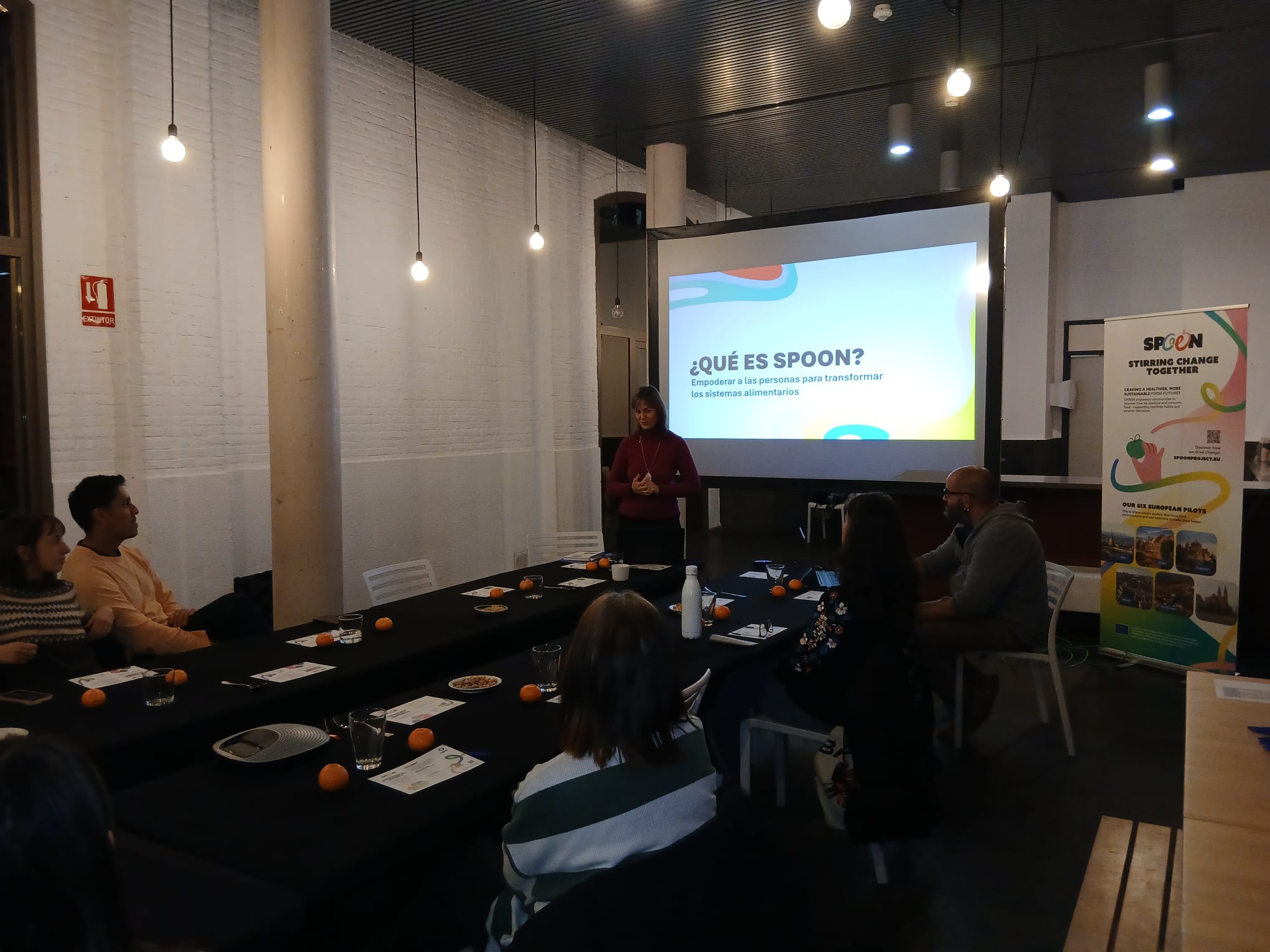
Impulsado por València Innovation Capital bajo el lema “Impulsando el cambio sostenible”, el laboratorio conecta a ciudadanía, organizaciones e investigadores para comprender mejor cómo se planifican, compran y consumen los alimentos, y transformar ese conocimiento en soluciones adaptadas a la realidad local y con impacto real para la ciudad.
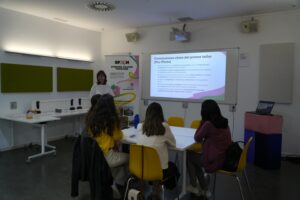
Durante los dos primeros ciclos del laboratorio, desarrollados entre diciembre de 2025 y julio de 2026, 27 personas participaron en sesiones centradas en el intercambio de datos alimentarios y hábitos de planificación y compra. A través de dinámicas colaborativas identificaron barreras, compartieron experiencias y contribuyeron a cocrear propuestas que reflejan las necesidades reales de la ciudadanía valenciana.
Como agradecimiento a su contribución, las personas participantes recibieron un bono de 25 euros para utilizar en los mercados municipales de València, reforzando así el apoyo al comercio local y a los productos de proximidad.
La experiencia demuestra que las personas quieren formar parte del cambio cuando comprenden el impacto de su participación. De hecho, quienes han participado hasta ahora destacan la oportunidad de aprender, aportar conocimiento útil para la ciudad y contribuir a mejorar el sistema alimentario local.
Tras el verano, SPOON iniciará un nuevo ciclo centrado en el almacenamiento, la preparación y el consumo de alimentos. Un paso más para seguir construyendo, junto a la ciudadanía, un sistema alimentario más justo, saludable y sostenible para València.
Photo credits: València Innovation Capital