The Spoon project has conducted its first experimental activities which brought together participants from diverse communities to examine everyday food habits and the digital services connected to them. Grounded in daily routines, these activities helped identify key challenges and emerging food research questions, while prompting reflection on the influence of food and dietary data on personal choices, public services and issues of trust and responsibility.
Food choices are made every day, but rarely in ideal conditions. By looking at everyday food practices as data, it becomes possible to understand what really drives consumption and what gets in the way of healthier and more sustainable diets. The Spoon project’s workshops form part of this bottom-up approach, involving citizens across Europe in food research.
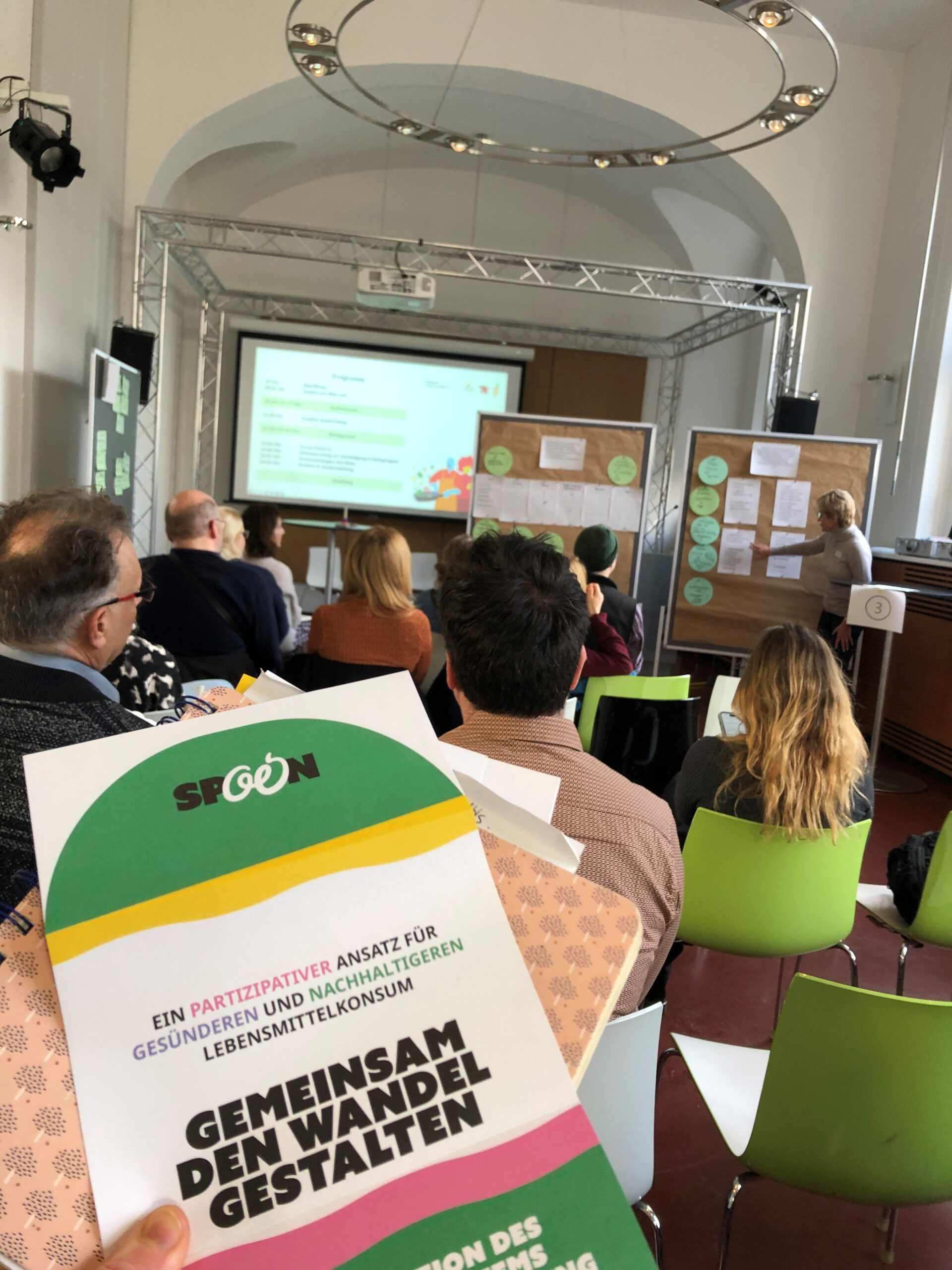
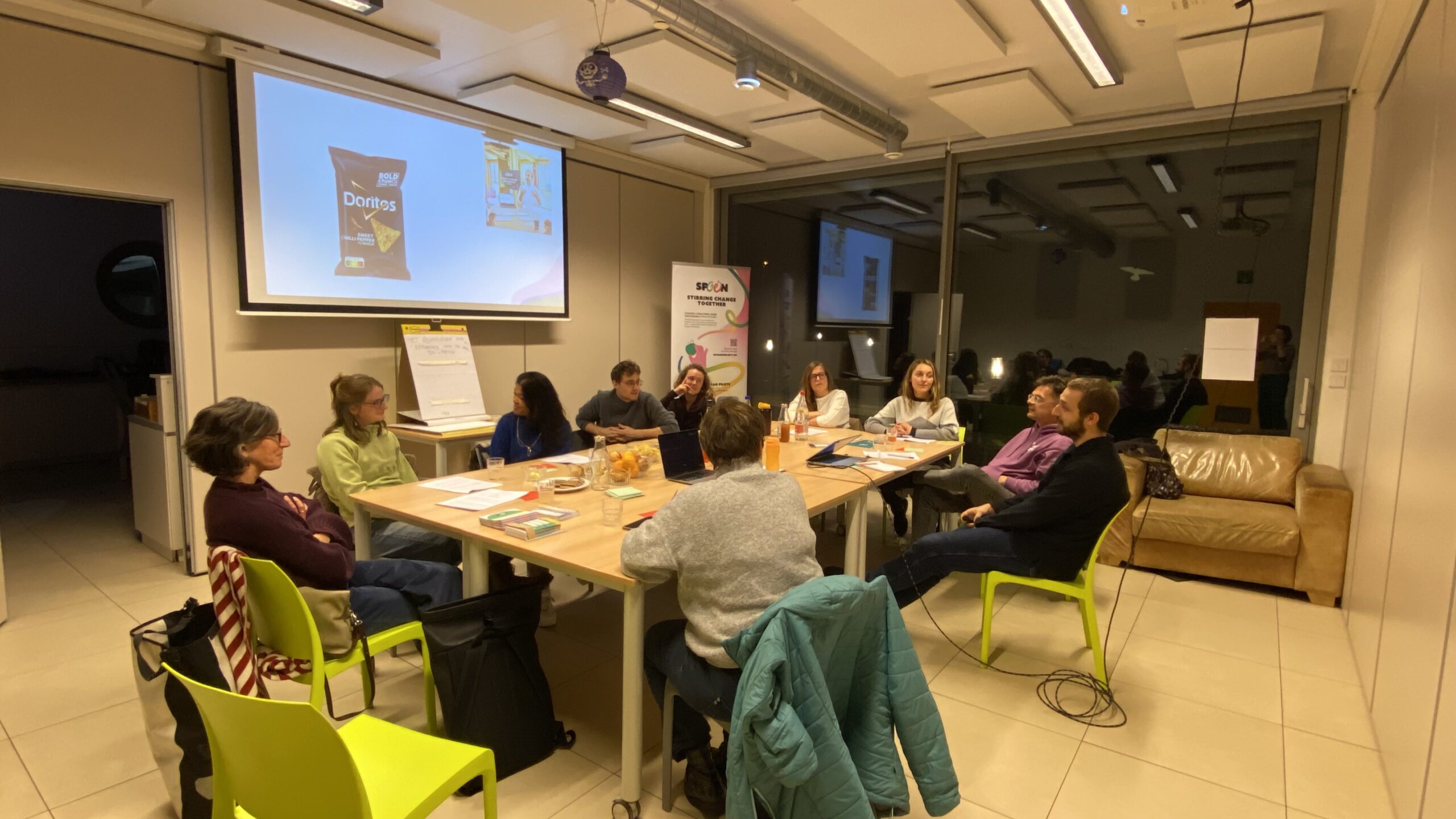
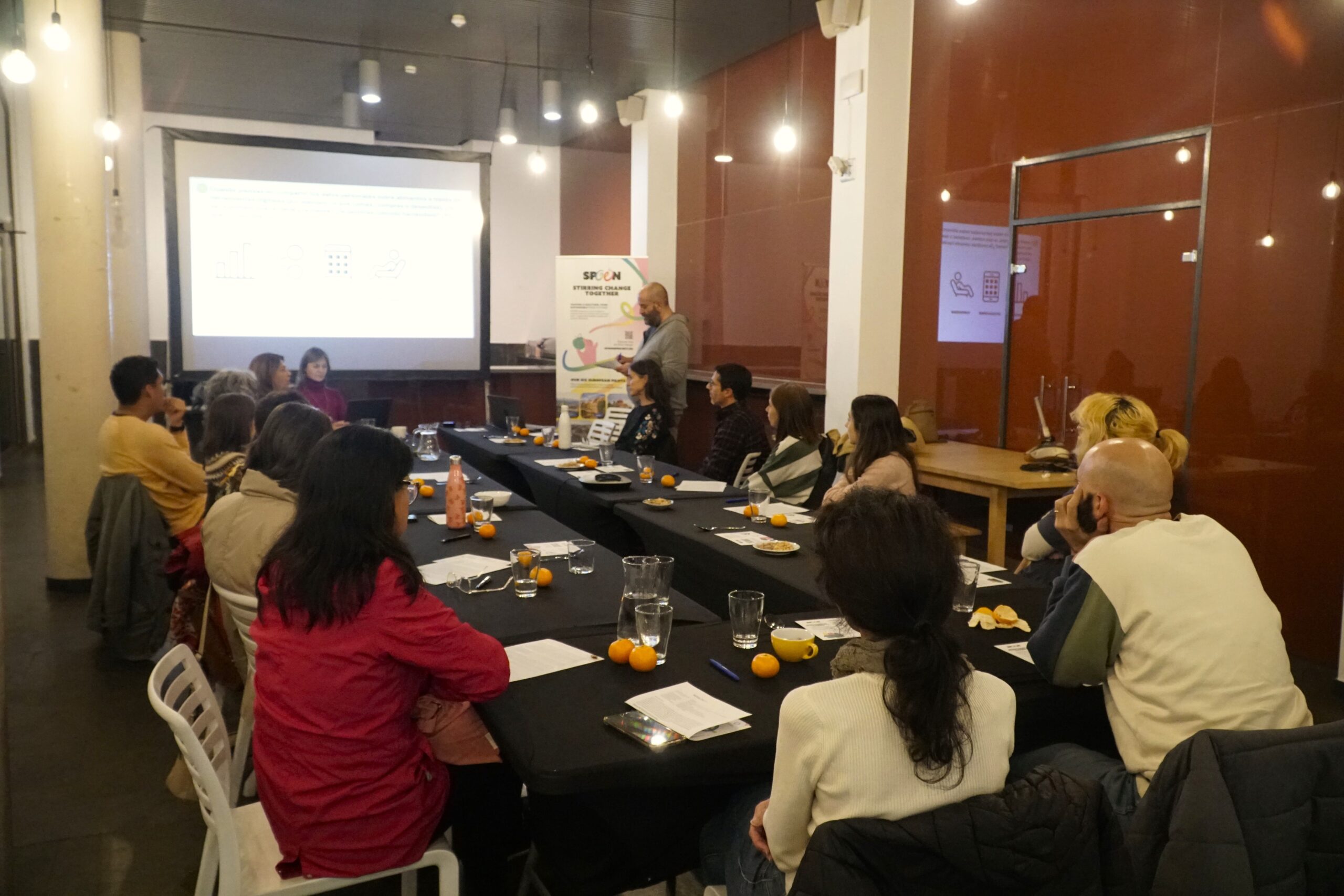
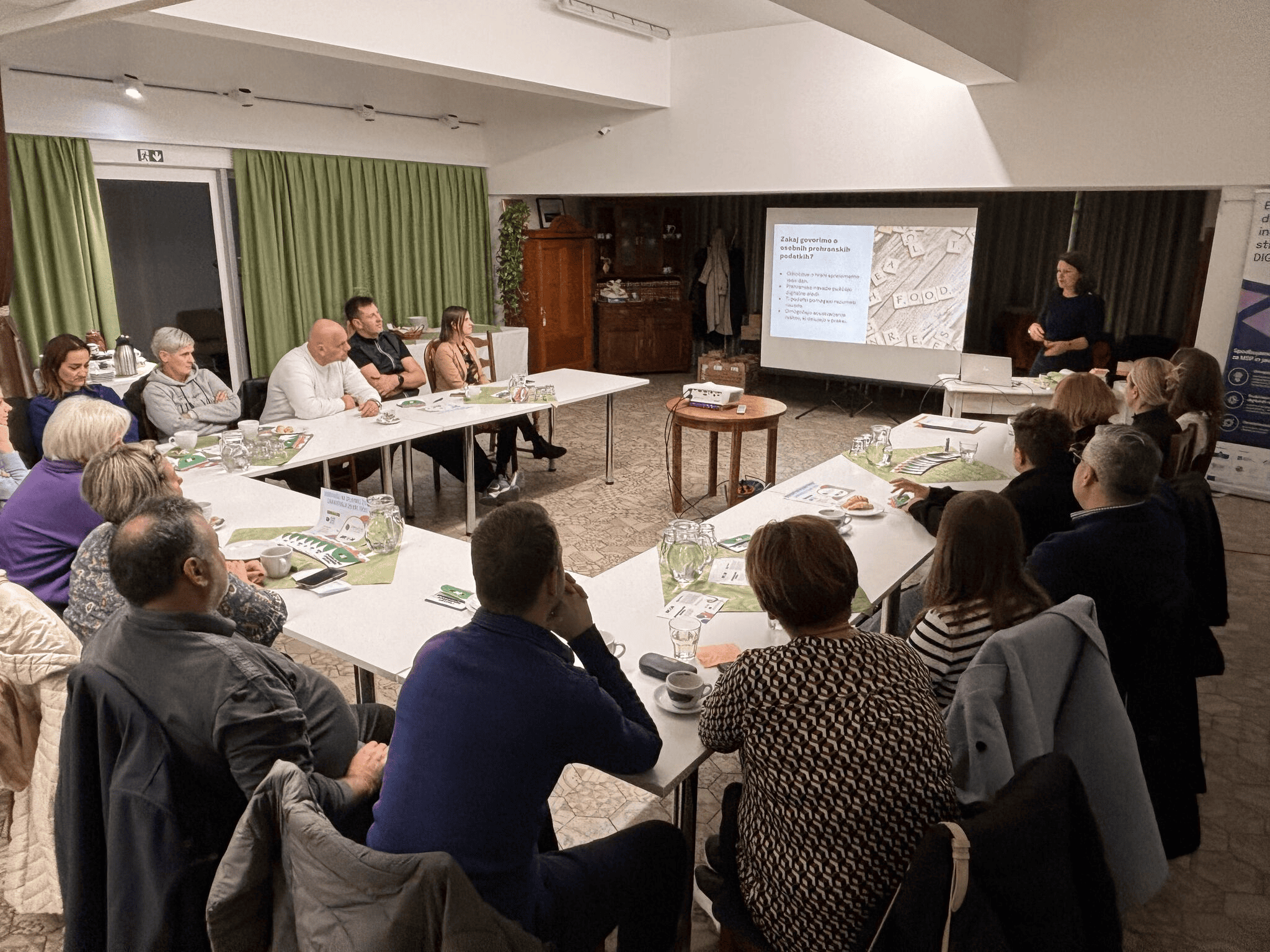
The citizen research activities took place across six European countries, spanning a wide range of social and cultural backgrounds. Across these different contexts, discussions consistently converged on key concerns: trust in food and dietary data, transparency in how data is collected and used, and the conditions under which digital tools can meaningfully support individuals and communities.
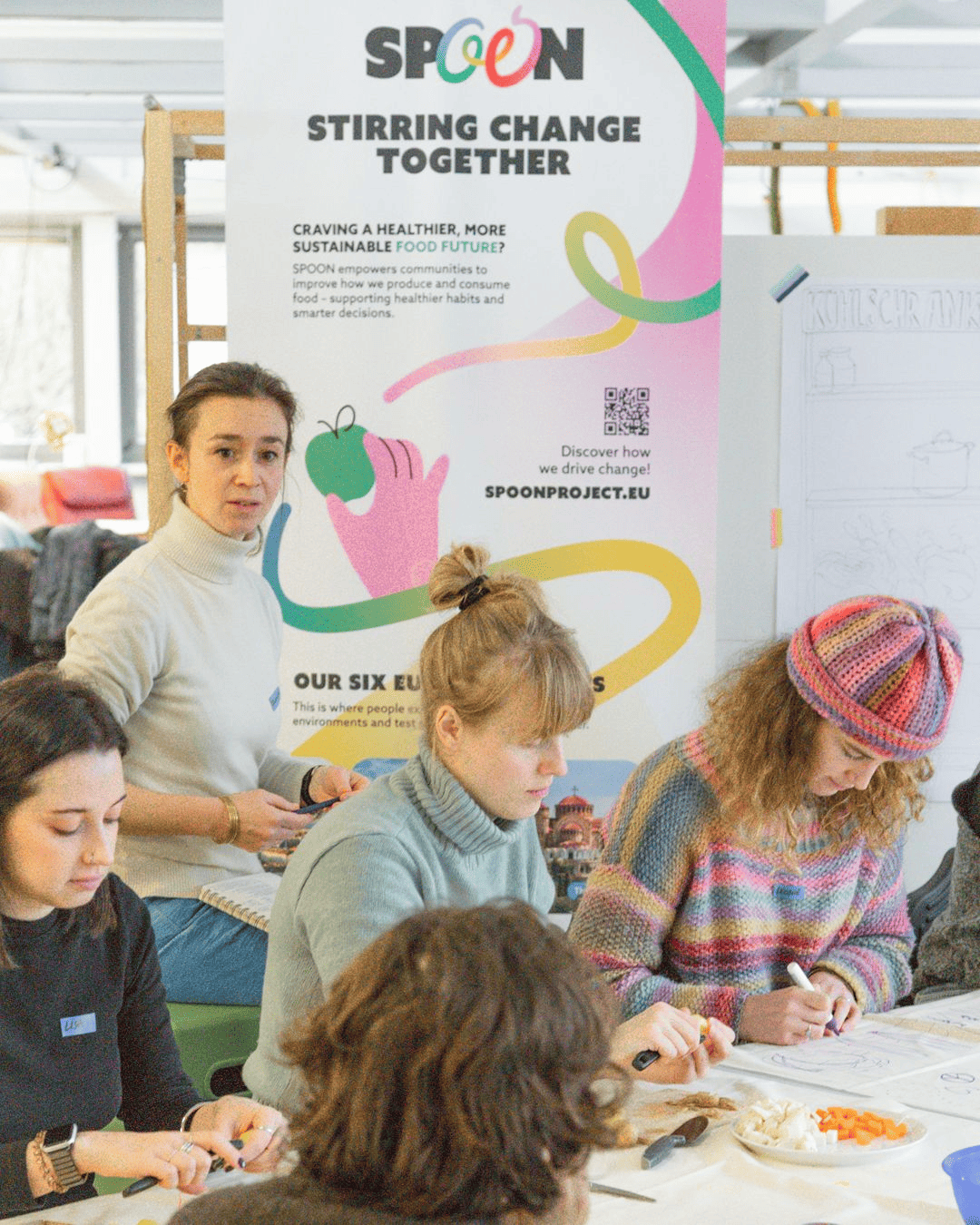
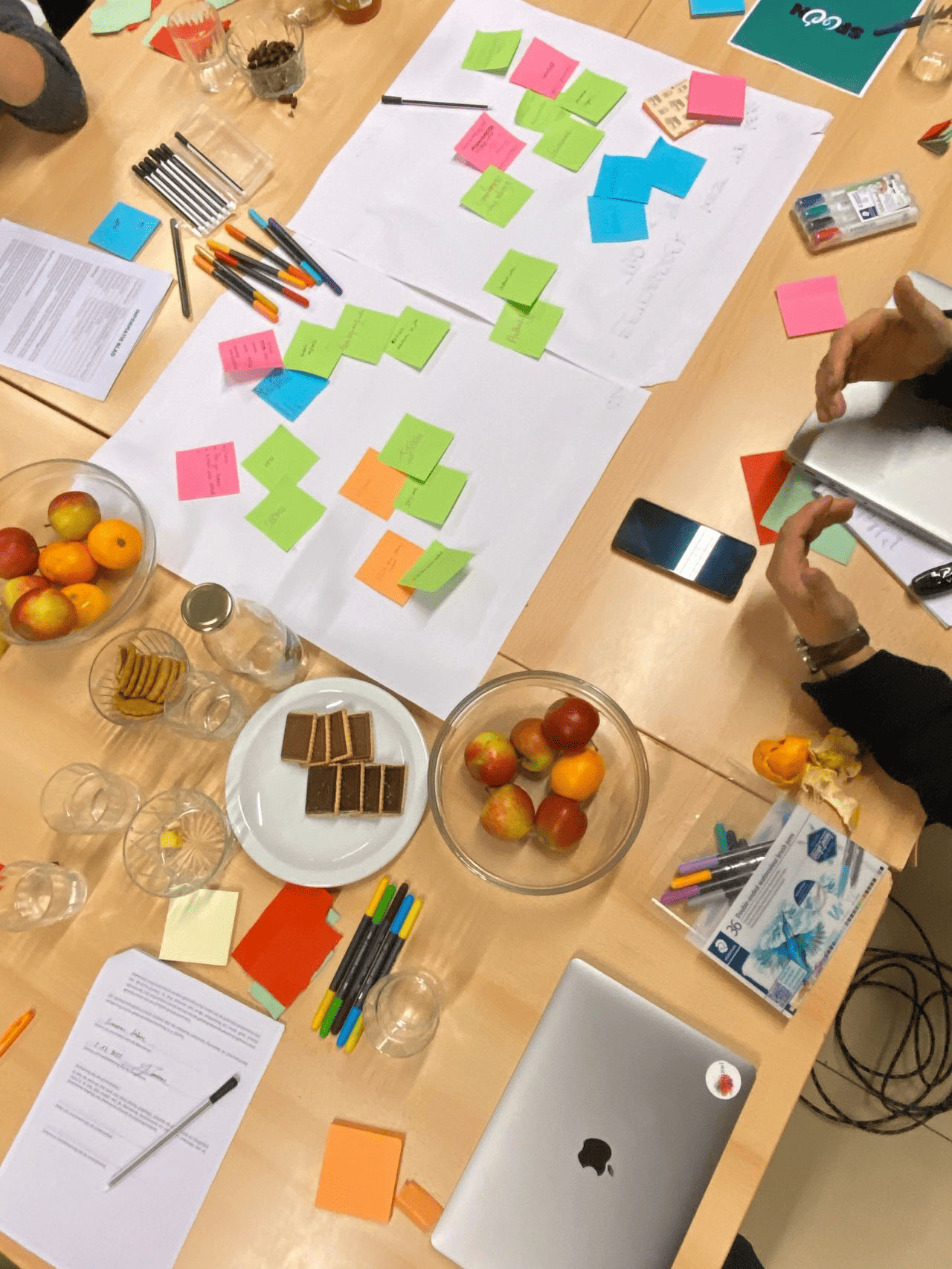
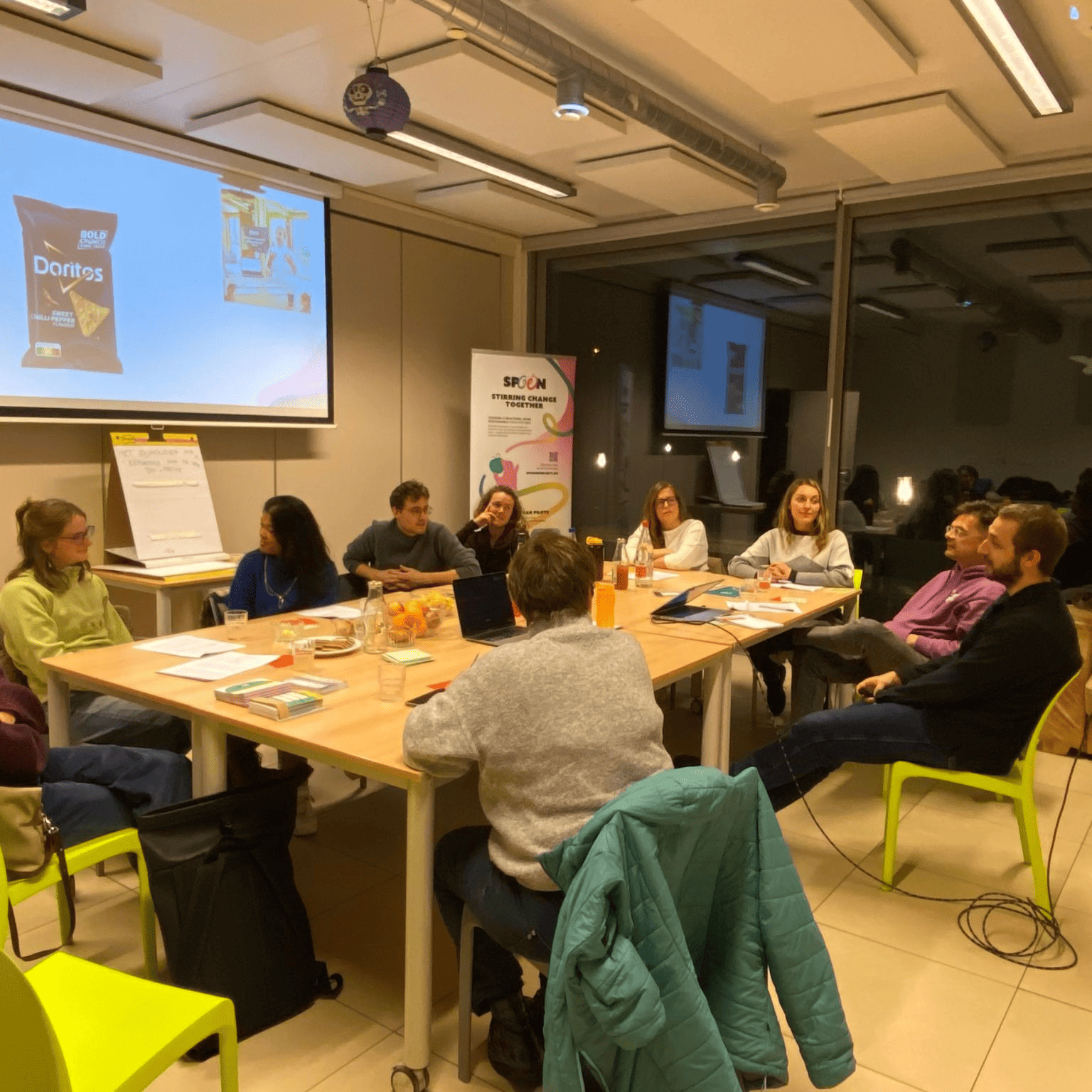
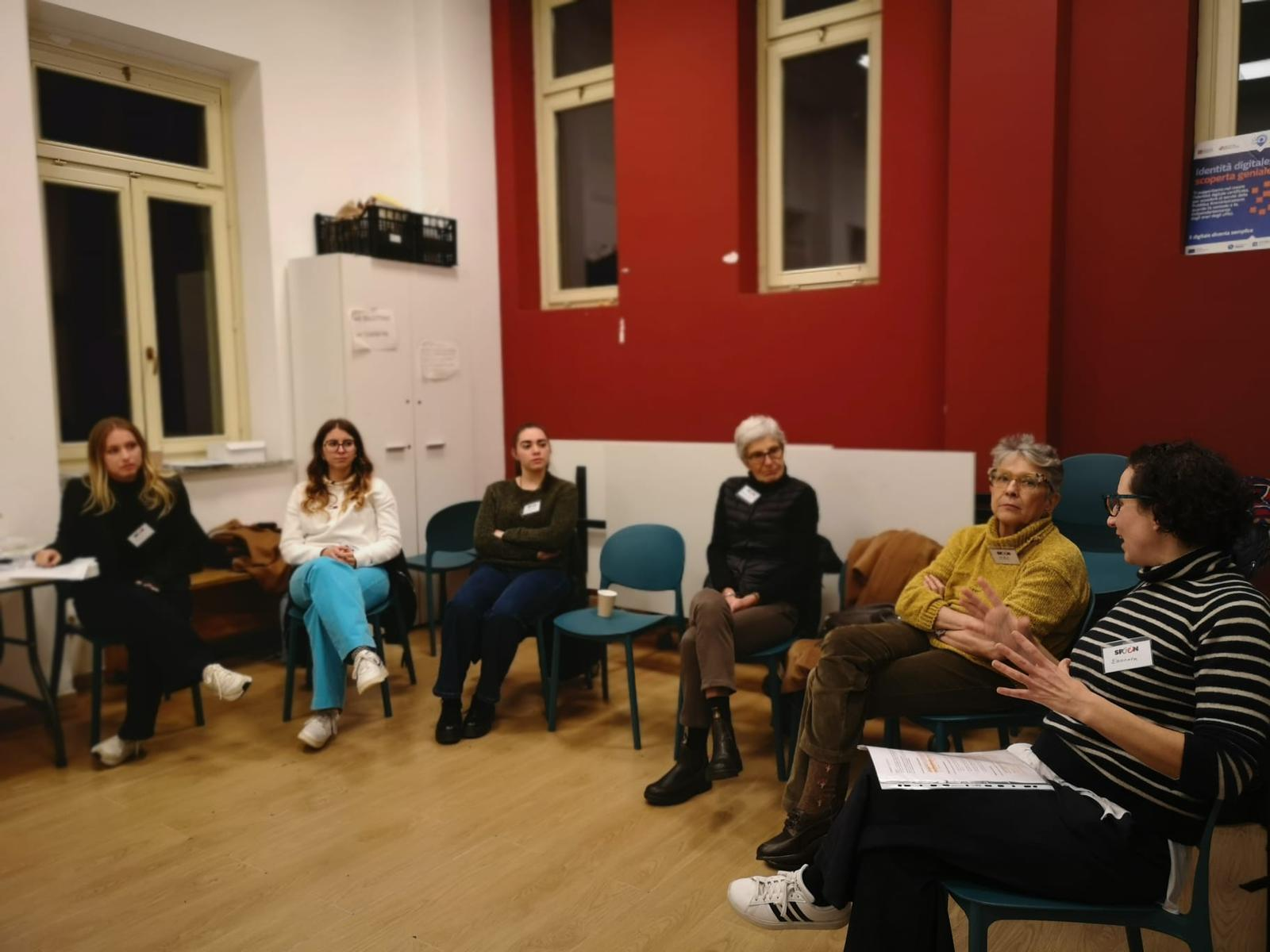
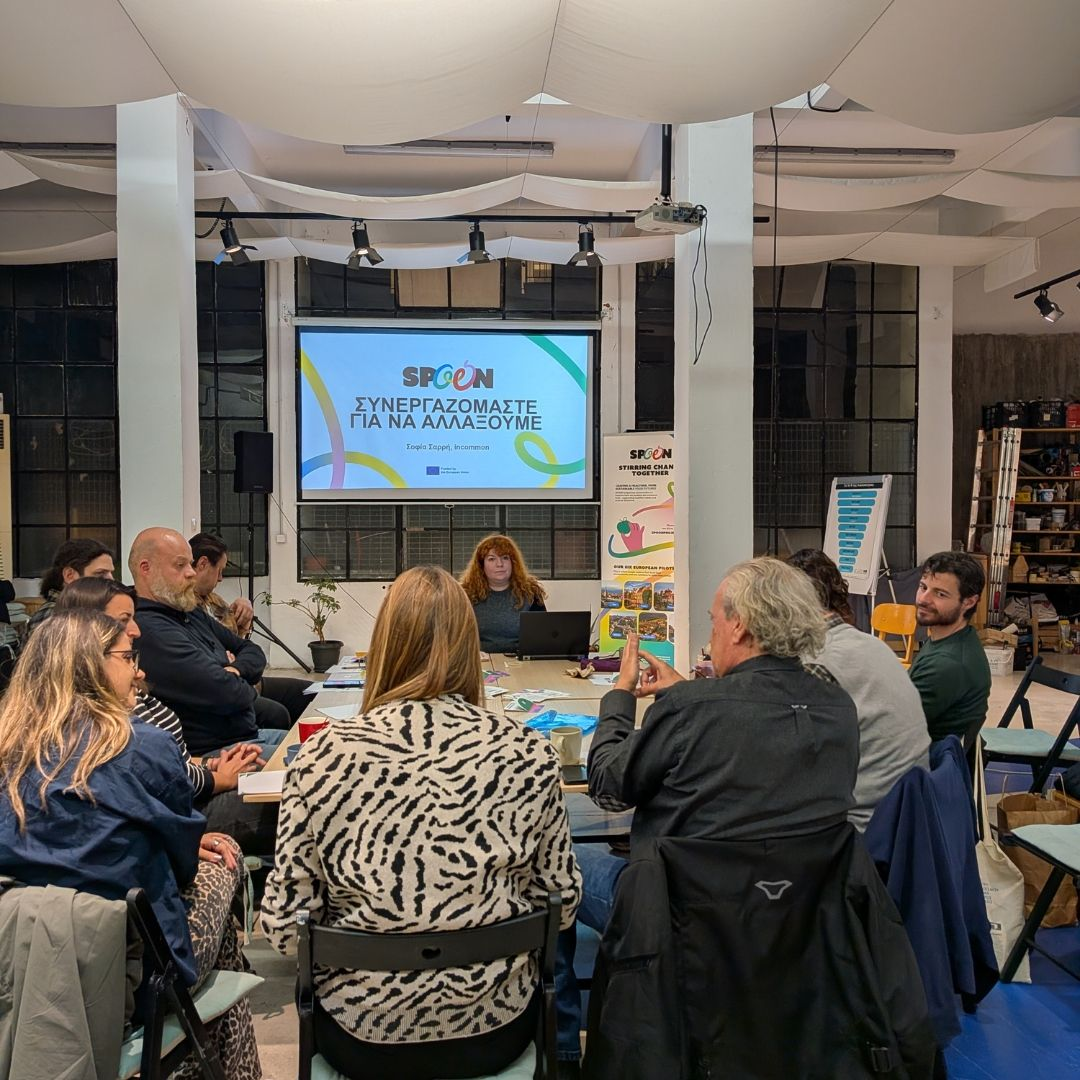
Creativity and collaboration were central throughout the process. Cooking sessions using rescued food, collective reflection on data sharing, and open discussions around digital food services transformed everyday practices into spaces for dialogue, learning, and research.
These first citizen-led activities mark the beginning of a longer journey. In the next phases of Spoon, citizens will continue to play an active role in defining the project’s priorities, questions, and approaches, keeping food research closely connected to everyday practices and societal needs.
Photo credits: Brugs Food Lab
- Credits: Brugs Food Lab
- Credits: Las Naves (Valencia)
- Credits: Comune di Torino
- Credits: Municipality of Thessaloniki
- Credits: ITC (Pomurje)
- Credits: HBK Braunschweig