Braunschweiger*innen gestalten die Ernährungszukunft im SPOON-Projekt mit

In einem Citizen Science Lab bringt die HBK Bürger*innen für eine gesunde und nachhaltige Ernährung zusammen.

Das EU-Forschungsprojekt SPOON verfolgt das Ziel, das Ernährungssystem in Europa – unter anderem auf lokaler Ebene in Braunschweig – gesünder, nachhaltiger und fairer zu gestalten. In Braunschweig wird das Projekt im Rahmen eines Citizen Science Labs unter der Leitung der Hochschule für Bildende Künste umgesetzt.
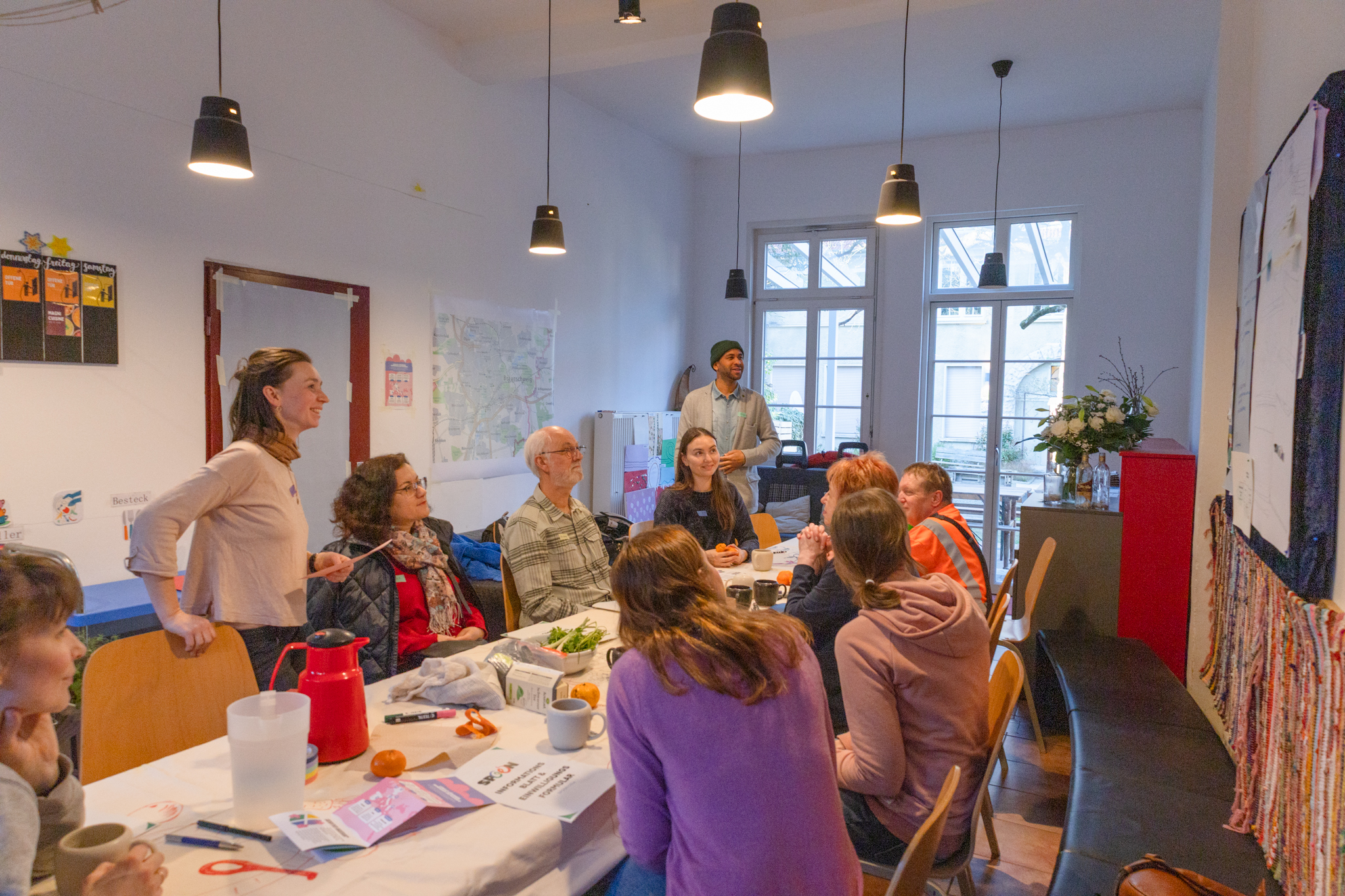
Im April 2026 wurde in partizipativen Workshops u.a. an der HBK, im Jugendzentrum St. Magni, im 381 und beim FrauenBUNT zum Thema „Planen und Einkaufen von Lebensmitteln“ untersucht, wie Bürger*innen sich ernähren, wo sie Lebensmittel einkaufen und was ihre Entscheidungen beeinflusst.
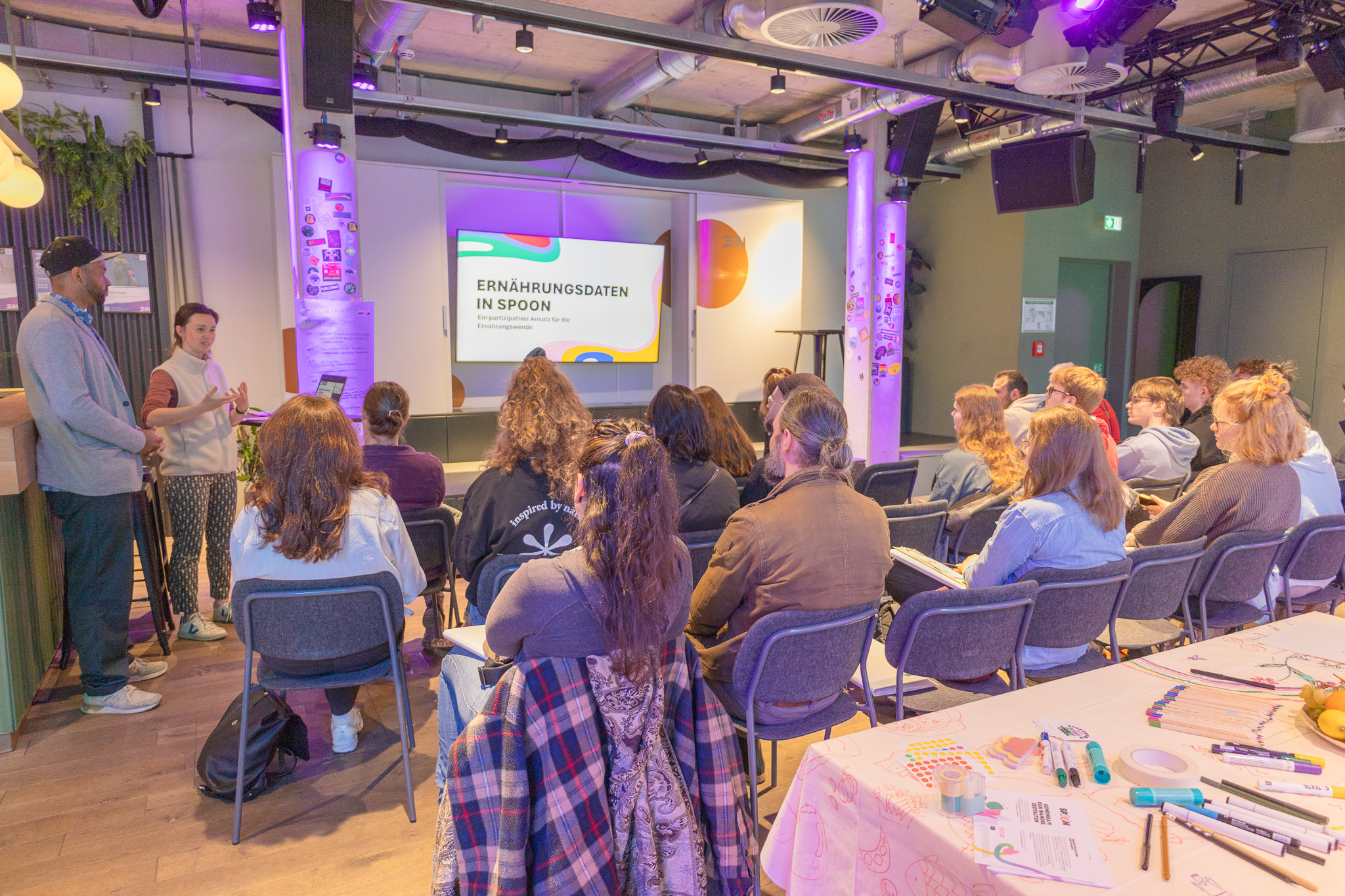
 

Zu den Erkenntnissen trug ein besonderes Workshop-Format bei, das wissenschaftliche, partizipative und künstlerische Methoden miteinander verbindet.
Die Bürger*innen entwickelten Wünsche, markierten Wohn- und Einkaufsorte auf einer großen Stadtkarte und kochten gemeinsam eine Suppe aus geretteten Lebensmitteln. Ein zentraler Ansatz war dabei die Arbeit mit utopischen Zukunftsvisionen.
Auf dieser Grundlage konnten die Teilnehmer*innen den Fragebogen, der später als Online Befragung in der SPOON-App eingesetzt wird, selbst bewerten. Ihre Vorstellungen von einer wünschenswerten Ernährungszukunft machten Themen sichtbar, die im ursprünglichen Fragekatalog fehlten. So werden Braunschweiger*innen zu aktiven Mitgestalter des Forschungsprozesses.


Das Thema gesunde und nachhaltige Ernährung stößt zwar auf große Resonanz, die Umsetzung im Alltag wird jedoch erschwert. Teilnehmende entwickelten Ideen – von konkreten Lösungen im Supermarkt bis hin zu systemischen Alternativen. Dazu gehören etwa ein größeres Angebot an gesunden, regionalen und saisonalen Lebensmitteln, unverpackte Produkte und flexible Verpackungsgrößen sowie transparente Informationen, neue Mehrwegsysteme, Gemeinschaftsküchen und Orte für Austausch und Wissensvermittlung.

Im Herbst öffnet das Citizen Science Lab wieder seine Türen und lädt zu einer neuen Workshop-Reihe zum Thema „Lagern und Zubereiten“ ein.

SPOON’s new infopack: how do you set up a citizen science lab on food?

A practical guide to implementing and replicating SPOON’s Citizen Science Labs for food system transformation

Changing how we eat starts with understanding how we live. For research to support healthier and more sustainable food habits, citizens need to be part of the process. That means more than providing data: it means helping to shape the questions and the tools. But how do you make that happen in practice, and how can others do the same?

The new infopack, titled “Handbook for Implementation and Replication of Citizen Science Labs and Behavioural Change Interventions”, condenses SPOON’s methodology into a short, practical reference. It is aimed at anyone who wants to run or adapt a citizen science lab.

At the heart of the approach are SPOON’s citizen science labs (CSLs), which combine citizen science with living lab principles. Citizens, public authorities, researchers, businesses and civil society work together to understand local food habits and co-design solutions. The infopack presents the six CSLs in Braunschweig, Bruges, Thessaloniki, Valencia, Turin and the Pomurje region. Each has its own focus, from reducing food waste to expanding inclusive food aid services.

The infopack explains SPOON’s two-phase logic: first a citizen science project, then behaviour change interventions built on what it reveals. The citizen science project runs through five iterations that follow the consumer’s food journey:

  • planning and buying
  • storing, preparing and eating
  • managing leftovers and waste
  • a final session where results are returned to participants and interpreted together


Along the way, participants also help co-design SPOON’s digital toolset.

The publication also includes a recruitment and engagement playbook. It covers what motivates and what discourages each type of food-system actor, from local authorities and retailers to restaurants and community initiatives. It also shows how to keep people involved without financial compensation, through transparency about data use, symbolic incentives and flexible participation formats.

Finally, a replication checklist sets out three things for organisations planning their own lab:

  • what to keep constant
  • what to adapt locally
  • what to have in place before launch


The message is clear: meaningful citizen participation does not happen by chance. It needs a solid structure that is flexible enough to fit local realities.

Read and download the info pack here!


Photo by Queensland, Australia on Unsplash

FOOD 2030 Networks Conference 2026

A hands-on workshop to turn lessons into recommendations for building trust around food data.

Explorium – National Sport & Science Centre | Dublin Ireland

Food systems research increasingly relies on people sharing their data, knowledge and time. Yet, earning and keeping the trust of the citizens can be incredibly challenging.

On 25 November, SPOON will address this challenge with FoodDataQuest and SOSFood, two fellow projects of the Data4Food Cluster, in a hands-on workshop at the Food 2030 Networks Conference in Dublin: “Who Trusts a Food Data Project? Engagement Strategies from Citizen Science Labs and Live Use Cases”.

The three projects will share engagement attempts that worked, and ones that did not. SPOON will bring the experience of its Citizen Science Labs in six European territories, where citizens act as researchers and help collect and interpret data on food consumption, as well as its work on a GDPR-compliant data governance framework and a personal data wallet. Participants will then work together to turn these lessons into practical recommendations for building trust around food data.

Agenda

  • Welcome and introduction: presentation of the participating projects and workshop objectives
  • Fishbowl discussion: real experiences and challenges around citizen engagement and trust in food data
  • Interactive group activity: small-group discussions using the Dynamic Learning Agenda methodology to identify barriers, opportunities and practical recommendations
  • Plenary reporting: sharing and clustering the main recommendations from each group
  • Key takeaways and closing: agreeing on three to five shared recommendations and next steps

The session is open to researchers, practitioners, policymakers and anyone working with citizen data in food systems.

Join us in Dublin, register here!

—-

Cover photo by Wan San Yip on Unsplash