Advancing sustainable food systems: SPOON meets in Thessaloniki

The consortium gathered to assess progress, refine methodologies and prepare the next phase of pilot activities.

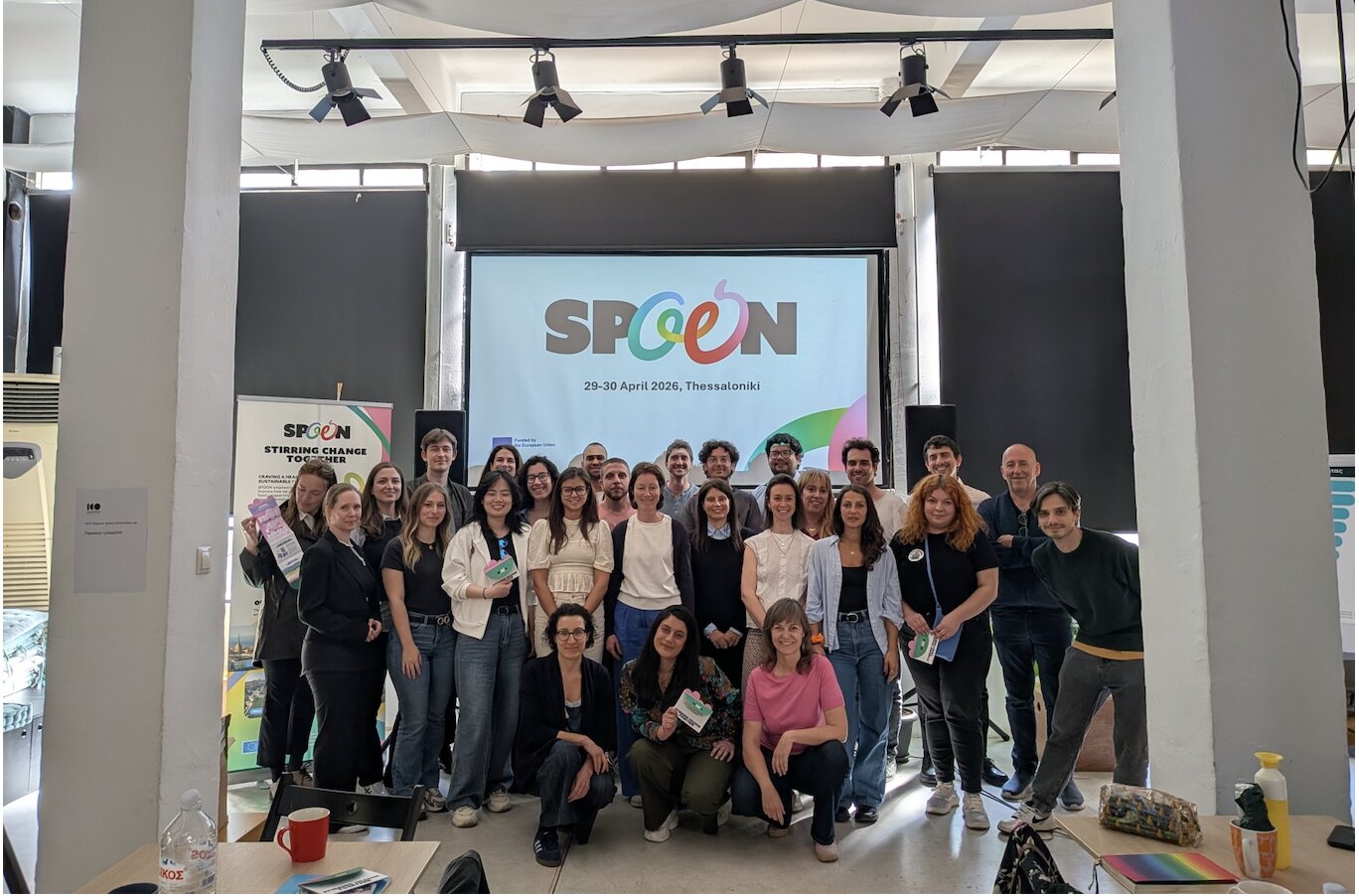
From 29 to 30 April, the SPOON consortium gathered for its annual in-person meeting in the beautiful city of Thessaloniki, Greece. Hosted by our partner INCOMMON, the meeting provided a valuable opportunity to review progress and align on the next steps in our journey towards more sustainable food consumption.

Over two days of discussions, partners reflected on both theoretical and methodological advancements, as well as progress at the pilot level. Our partner ILVO is advancing its work on food system dynamics, including research into the barriers of citizen data collection and the behavioural factors shaping food consumption across Europe. Meanwhile, the Science for Change team continues to refine the human-centred methodological framework, identify key stakeholders for each Citizen Science Lab (CSL), and support local implementation teams.

Under the guidance of the project coordinator CSCP, the initial phase of pilot activities has now been completed, with a total of 15 workshops held across local contexts. In the coming months, CSL participants will move into the co-design phase, working together with food system actors and stakeholders from related sectors to develop small-scale behavioural change interventions.

At the same time, the SPOON digital toolset, designed to better understand food behaviours in real-life contexts, is taking shape. Led by JIBE, this work focuses on capturing real-time behavioural data while ensuring that users remain fully in control of their personal information.

Evaluation activities are being led by AIT, which is developing a comprehensive framework to assess both the effectiveness of pilot actions and the overall impact of the project. In parallel, ICONS presented an update on communication performance and outlined upcoming dissemination efforts. These will be further supported by PNO, which is mapping project results and working on exploitation pathways to ensure that SPOON’s outcomes continue to evolve beyond the project’s lifetime.

The meeting also featured an intervention from the Project Officer, who commended the consortium on its progress and emphasised the importance, from the perspective of the European Commission, of translating project results into concrete, actionable guidance for policymakers.

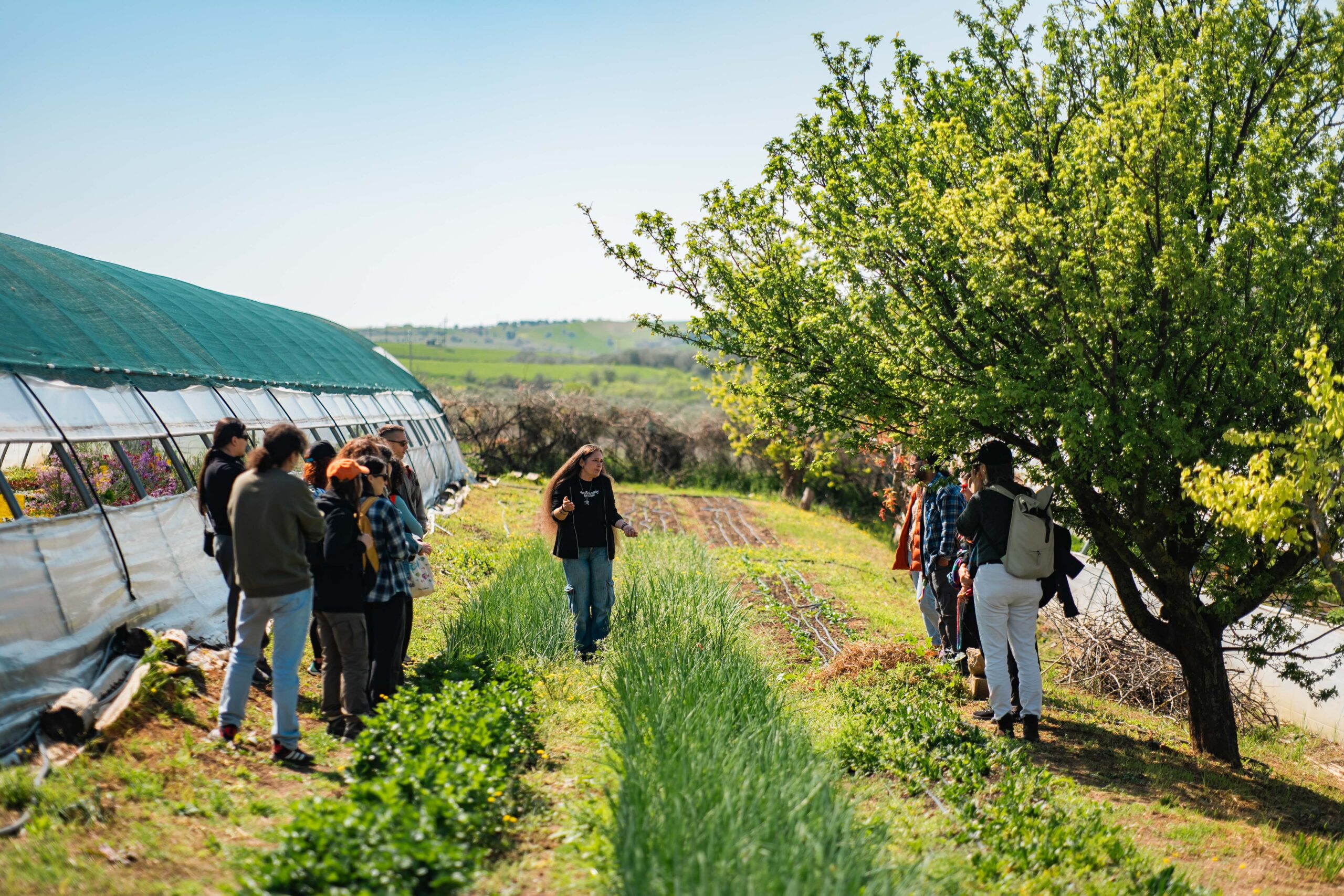
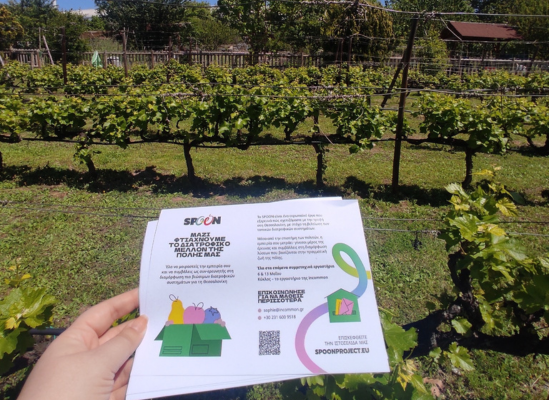
On the afternoon of the second day, our consortium visited the Urban Vineyard of our partner the Municipality of Thessaloniki. Beyond being a valuable green productive space for the city, the urban vineyard is also, together with other local food actors, a key part of Thessaloniki’s CSL.

Looking ahead, the coming months will be rich in activity. Pilot teams are preparing for the next round of engagement with citizens, moving forward with co-creation processes that aim to foster healthier and more sustainable food habits across European communities.

—-
Cover photo by INCOMMON
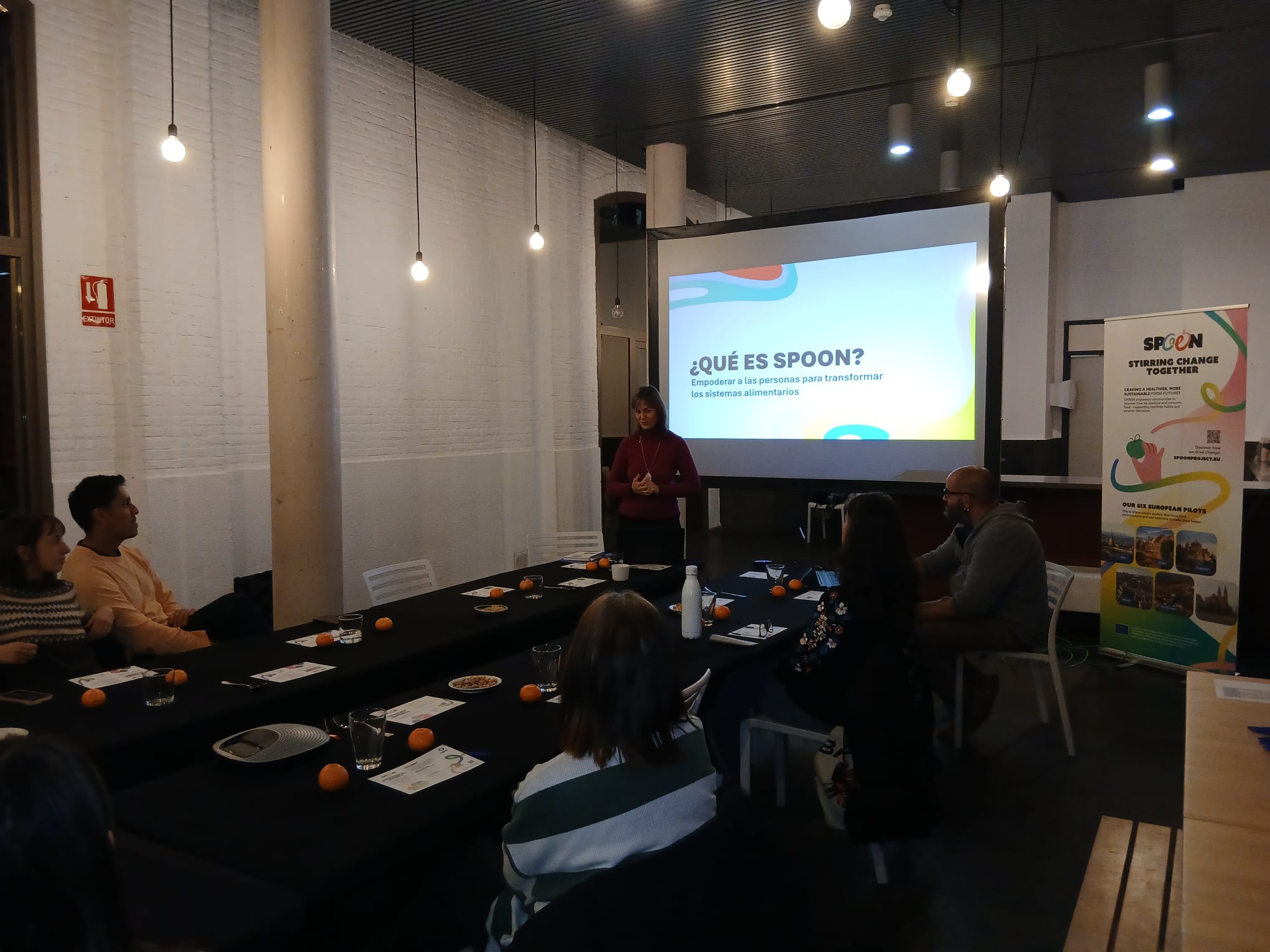
EU project runs citizen labs to co-create healthier and more sustainable food systems

SPOON has completed the first two rounds of its citizen science labs to gather insights on how people plan, shop for and consume food.

As part of its efforts towards more sustainable food systems, the SPOON project has established citizen science labs in six European regions where residents help researchers explore different stages of the “food journey”: from planning and shopping to cooking, eating and managing leftovers.

The idea is to involve citizens and turn them into drivers of change to reduce food’s environmental impact. SPOON therefore invites residents to take part directly in its research – sharing their experiences, testing new digital tools and helping shape the project itself, rather than just being studied from a distance.

The first two rounds of participation have now been completed, providing valuable insights into people’s everyday food practices and attitudes. The first round, held in November 2025, introduced participants to the project’s objectives and explored their views on sharing personal food-related data for research. The findings revealed that people are generally willing to share such information when the purpose is transparent, meaningful and easy to understand. However, participants also expressed concerns about maintaining control over their data and navigating privacy policies that are often perceived as too complex.

The second round, conducted in April and May 2026, focused on food planning and purchasing. Participants discussed their daily routines, the factors influencing their food choices, and the practical barriers they face, including time constraints, limited budgets and established habits. They also tested and provided feedback on early prototypes of the SPOON’s digital tool, which aims to support healthier and more sustainable food choices across Europe.

To ensure wide and continuous participation, the research team implemented targeted engagement strategies, expanded outreach through local community organisations and developed new participatory methods to make sessions more interactive.

With the first two rounds now complete, SPOON will turn to the remaining stages of the food journey: storing and preparing food, eating and managing leftovers. The insights gathered throughout the citizen science labs will help refine the project’s digital tools and support the co-creation of behavioural interventions that promote healthier, fairer and more sustainable food systems across Europe.

—–

Cover photo by INCOMMON

Οι κάτοικοι της Θεσσαλονίκης συνδιαμορφώνουν το διατροφικό μέλλον της πόλης

Τα πρώτα βήματα του SPOON, φέρνουν στο προσκήνιο τις καθημερινές διατροφικές ...

Τα πρώτα βήματα του SPOON, φέρνουν στο προσκήνιο τις καθημερινές διατροφικές επιλογές των κατοίκων της Θεσσαλονίκης, τα τοπικά δίκτυα τροφίμων και τη μείωση της σπατάλης.


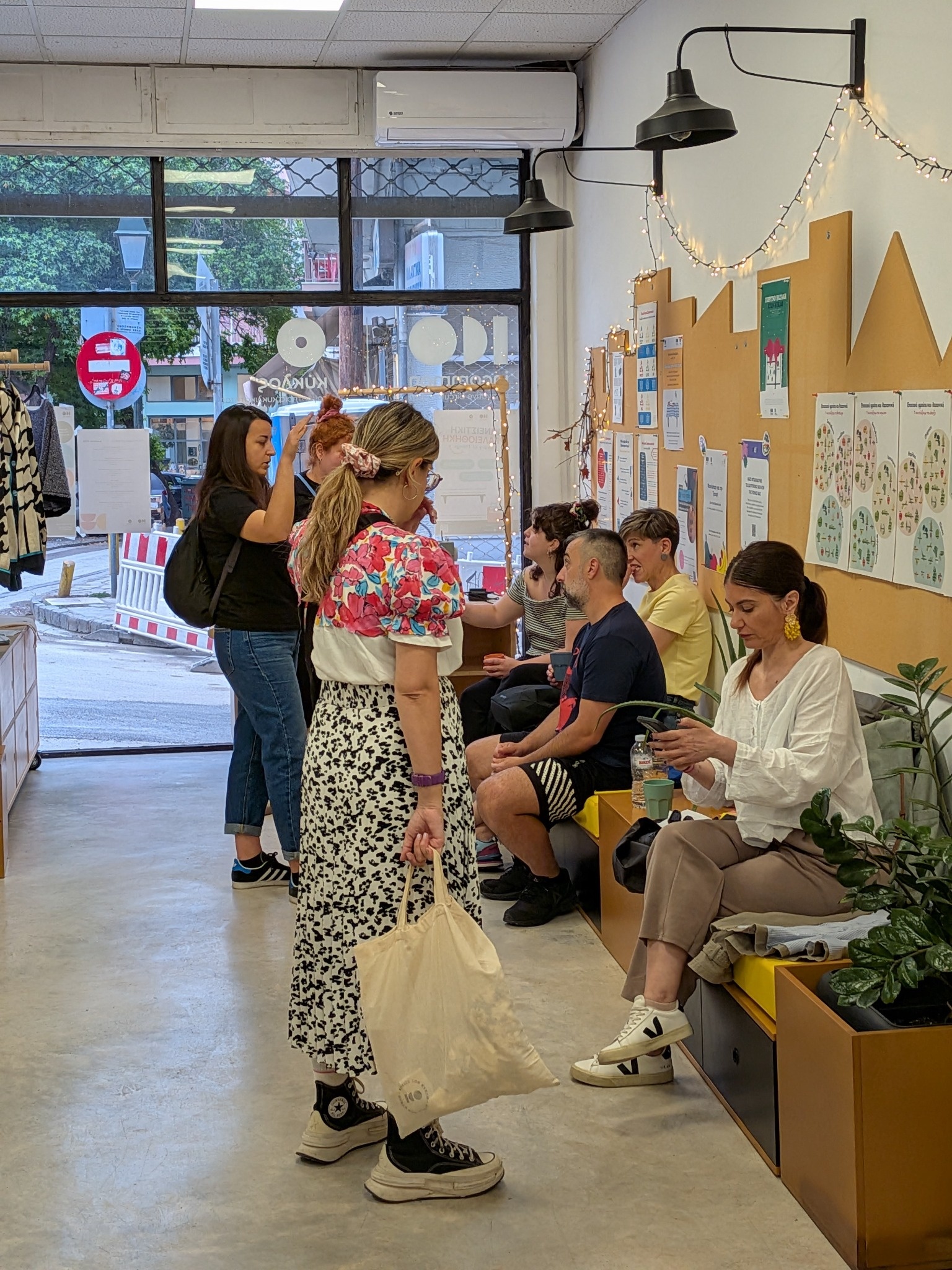
Το SPOON είναι ένα ευρωπαϊκό έργο που φέρνει τους πολίτες στο κέντρο της έρευνας για πιο δίκαια και βιώσιμα διατροφικά συστήματα. Στη Θεσσαλονίκη το έργο υλοποιείται από την incommon και τον Δήμο Θεσσαλονίκης, μέσα από ένα Citizen Science Lab (Εργαστήριο Επιστήμης των Πολιτών), το οποίο φιλοξενείται στον Κύκλο – το εργαστήριο της incommon. Βασικοί του άξονες είναι τα τοπικά δίκτυα τροφίμων και οι μικρές εφοδιαστικές αλυσίδες, καθώς και η πρόληψη της απώλειας και σπατάλης τροφίμων.

Μετά από μια πρώτη εισαγωγική συνάντηση με ανθρώπους και φορείς γύρω από την τροφή, ακολούθησαν δύο ανοιχτά συμμετοχικά εργαστήρια τον Μάιο του 2026. Οι κάτοικοι συμμετείχαν ενεργά, μοιράστηκαν εμπειρίες γύρω από τον προγραμματισμό και την αγορά τροφίμων και έδωσαν πολύτιμες παρατηρήσεις για τα εργαλεία του έργου. Η θετική ανταπόκριση και το ενδιαφέρον για τη συνέχεια έδειξαν ότι οι πολίτες επιθυμούν να έχουν ουσιαστικό ρόλο στις δράσεις που αφορούν την τροφή στην πόλη.

Αυτό που φάνηκε από τα συμμετοχικά εργαστήρια, είναι ότι υπάρχει πραγματικό ενδιαφέρον για την προέλευση της τροφής, για τοπικές, εποχιακές και προσιτές επιλογές, για σύνδεση με παραγωγούς και για τρόπους αξιοποίησης όσων περισσεύουν. Παράλληλα, πολλοί θέλησαν να μάθουν περισσότερα για το Συμβούλιο Διατροφικής Πολιτικής του Δήμου Θεσσαλονίκης και για το πώς οι προτάσεις των πολιτών μπορούν να μετατραπούν σε δράσεις για την πόλη.

Βασική πρόκληση είναι η συμμετοχή ανθρώπων διαφορετικών ηλικιών και υποβάθρων, ώστε οι προτάσεις που θα προκύψουν να ανταποκρίνονται στις ανάγκες της πόλης. Για τον λόγο αυτό, τα εργαστήρια παραμένουν ανοιχτά στο ευρύ κοινό, ενώ παράλληλα ενισχύεται η σύνδεση με τοπικές ομάδες, παραγωγούς και φορείς γύρω από την τροφή.

Στα επόμενα στάδια, μέσα από την επιστήμη των πολιτών, οι κάτοικοι θα συνεχίσουν να συμμετέχουν ως συν-ερευνητές, ώστε οι εμπειρίες τους να οδηγήσουν σε πρακτικές παρεμβάσεις γύρω από την τροφή, σχεδιασμένες ώστε να ανταποκρίνονται στις πραγματικές ανάγκες της Θεσσαλονίκης.

Τα νέα συμμετοχικά εργαστήρια θα πραγματοποιηθούν το φθινόπωρο του 2026 και θα εστιάσουν στην αποθήκευση, την προετοιμασία και την κατανάλωση τροφίμων. Οι κάτοικοι της πόλης καλούνται να γίνουν συνερευνητές και να συμβάλουν με τη δική τους εμπειρία στη διαμόρφωση των επόμενων βημάτων.

Φωτογραφίες: incommon & Δήμος Θεσσαλονίκης

Επικοινωνία:
Σόφη Σαρρή
sophie@incommon.gr

Μάθετε περισσότερα για το έργο:
https://spoonproject.eu/ & https://spoonproject.eu/landing-thessaloniki/

LinkedIn
Instagram